P2479: Exhaust Gas Temperature Out of Range Bank 1 Sensor 2
Is your scanner showing P2479?
No worries. We'll show you what it means and how to deal with it.

P2479: Exhaust Gas Temperature Out of Range Bank 1 Sensor 2
OVERVIEWWhat Does The P2479 Code Mean?
OBD-II trouble code P2479 is associated with the exhaust gas temperature out of range bank 1 sensor 2 circuit. When the Engine Control Unit (ECU) detects improper signals within the exhaust gas temperature circuit code P2479 will be set and the check engine light will be illuminated.
Refer to a vehicle specific resource to determine which is the appropriate bank and sensor location for your particular year / make / model / engine combination.
The purpose of the exhaust gas temperature sensor is to monitor the temperature of the exhaust gases and convert it into a voltage signal that is sent to the ECU. The ECU utilizes the input to control engine conditions and effectively reduce emissions.
The ECU recognizes these voltage variations and reacts accordingly, adjusting ignition timing or the air/fuel mixture to lower the exhaust gas temperature and protect the catalytic converter. Exhaust gas temperature sensors are incorporated in diesel engines, gasoline burning engines, and even turbocharged engines. This process also improves performance and fuel economy.
What Are The Symptoms Of The P2479 Code?
Symptoms of a P2479 trouble code may include:
- Engine may stall
- Engine may not start
- Engine may overheat
- Poor fuel economy
- Poor performance
- Check engine light illuminated
What Are The Potential Causes Of The P2479 Code?
Causes for this P2479 code may include:
- Defective exhaust gas temperature sensor
- Excessive exhaust leak
- Blown fuse or fuse-able link (if applicable)
- Excessive carbon buildup on sensor
- Corroded or damaged connector
- Faulty or damaged wiring
- Faulty ECU
How Serious Is This P2479 Code?
The severity of this code can vary tremendously from just an illuminated check engine light on a vehicle that starts and runs to an automobile that will stall or not start at all.
How Can You Fix The P2479 Code?
The first step in the troubleshooting process for any malfunction is to research the Technical Service Bulletins (TSB’s) for the specific vehicle by year, model and power plant. In some circumstances this can save a lot of time in the long run by pointing you in the right direction.
The second step is to locate all of the components within this circuit and perform a thorough visual inspection to check the associated wiring for obvious defects such as scraping, rubbing, bare wires, or burn spots.
Next is to check the connectors for security, corrosion and damaged pins. The exhaust gas temperature sensor is typically a 2-wire sensor located in the exhaust down pipe. The exhaust gas temperature sensor should be removed to inspected for excessive carbon buildup. This process must also incorporate identifying any possible exhaust leaks.
Advanced Steps
The advanced steps become very vehicle specific and require the appropriate advanced equipment to perform accurately. These procedures require a digital multi meter and the specific technical references for the vehicle. The ideal tools to use in this situation is an infrared thermometer and a heat gun, if available. Voltage requirements will vary based on the specific year and model of the vehicle.
Voltage Checks
The voltage output of the exhaust gas temperature sensor should vary proportional to temperature changes. If the voltage stays the same or changes rapidly, this as an indication that the exhaust gas temperature sensor requires replacement.
If this process identifies the absence of a power source or ground, continuity testing may be required to check the integrity of the wiring, connectors and other components. Continuity tests should always be performed with the power removed from the circuit and the normal readings for wiring and connections should be 0 ohms of resistance. Resistance or no continuity is an indication of faulty wiring that is open or shorted and must be repaired or replaced.
The resistance level of the exhaust gas temperature sensor should vary proportional to temperature increases and decreases. Based on the specific type of sensor, resistance should increase or decrease as the temperature rises and heat gun can be utilized to perform a bench check of this component.
The two types of exhaust gas temperature sensors are negative temperature coefficient and positive temperature coefficient. A negative temperature coefficient sensor has a high resistance at low temperature and a low resistance at high temperature. A positive temperature coefficient sensor has a low resistance at low temperature and a high resistance at high temperature.
Recommended Parts
Below are some recommended auto parts to help you address the trouble code affecting your vehicle and get it running smoothly again:

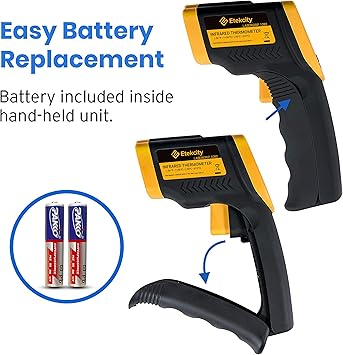

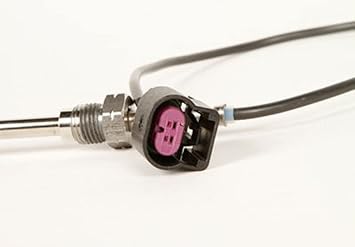
Note: During the purchasing process, please check carefully whether the part you want to buy fits your car!
Reference Sources
P2479 Exhaust Gas Temperature Out of Range Bank 1 Sensor 2, OBD-Codes.